IF/Q Studies Collective
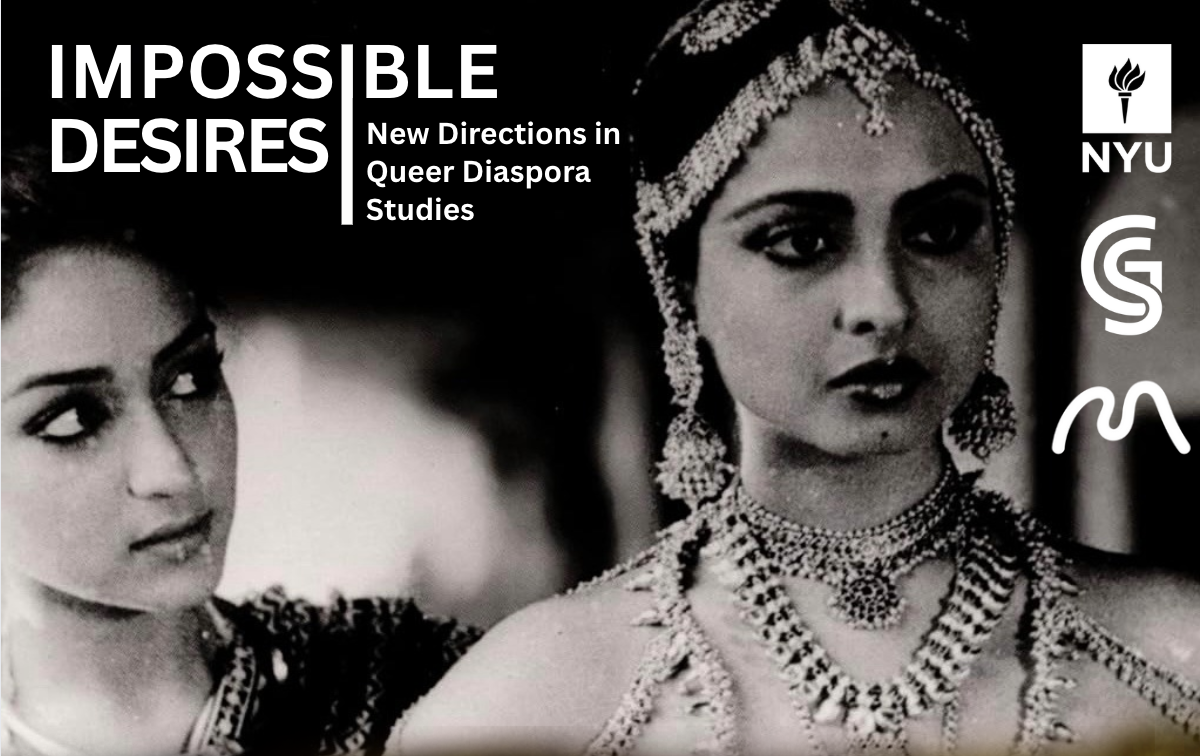
Impossible Desires: New Directions in Queer Diaspora Studies


Update: This event is currently sold out. If you wish to be placed on a waitlist, please email csgs@nyu.edu with your full name and email.
The publication of Gayatri Gopinath’s Impossible Desires: Queer Diasporas and South Asian Public Cultures in 2005 heralded a new moment in transnational scholarship in gender and sexuality studies. The book theorized queer and feminist cultural practices in the context of South Asian diasporic migration, and served as a precursor to subsequent scholarship in queer diaspora studies that has radically reshaped the fields of queer and feminist studies in the past two decades. We mark the twentieth anniversary of Impossible Desires by showcasing the work of a new generation of queer diaspora scholars whose work spans South Asia, the SWANA region, South Africa, and the Caribbean. Scholars Kareem Khubchandani, Suzanne Persard, Mehak Faisal Khan and Jordache Ellapen will reflect on their own groundbreaking work in light of Gopinath’s book; and artists Al-An deSouza, Chitra Ganesh, Shahzia Sikander, and Felipe Baeza – all of whom have engaged in long-standing dialogues with Gopinath over the years -- will reflect on the artist-critic relationship. The evening will conclude with drinks, a catered reception, and a DJ set by Arshia Fatima Haq, artist and founder of Discostan.
Scholar Roundtable:
Comparative Queer Diasporas │ 6-7 pm
Jordache Ellapen
Mehak Faisal Khan
Suzanne Persard
Kareem Khubchandani
Artist Roundtable:
The Aesthetic Practices of Queer Diaspora│7-8 pm
Chitra Ganesh
Shahzia Sikander
Felipe Baeza
Al-An DeSouza
DJ Set │8-10pm
Arshia Fatima Haq
This is an in-person event, open to the public. Registration is required. The Bowery Electric is a 21+ venue. If you are below 21 and wish to attend, please email csgs@nyu.edu
Accessibility note: This venue is located down a flight of stairs and there is no elevator in the building. For questions or access needs, please email csgs@nyu.edu.
Image: This film still is featured on the cover of Impossible Desires: Queer Diasporas and South Asian Public Cultures (Duke University Press, 2005). It features Vasantsena (Rekha) and Aditi (Anuradha) in Ustav (The Festival, dir. Girish Karnad, 1984). Photo courtesy of the National Film Archive of India.

Scholar Roundtable: Comparative Queer Diasporas
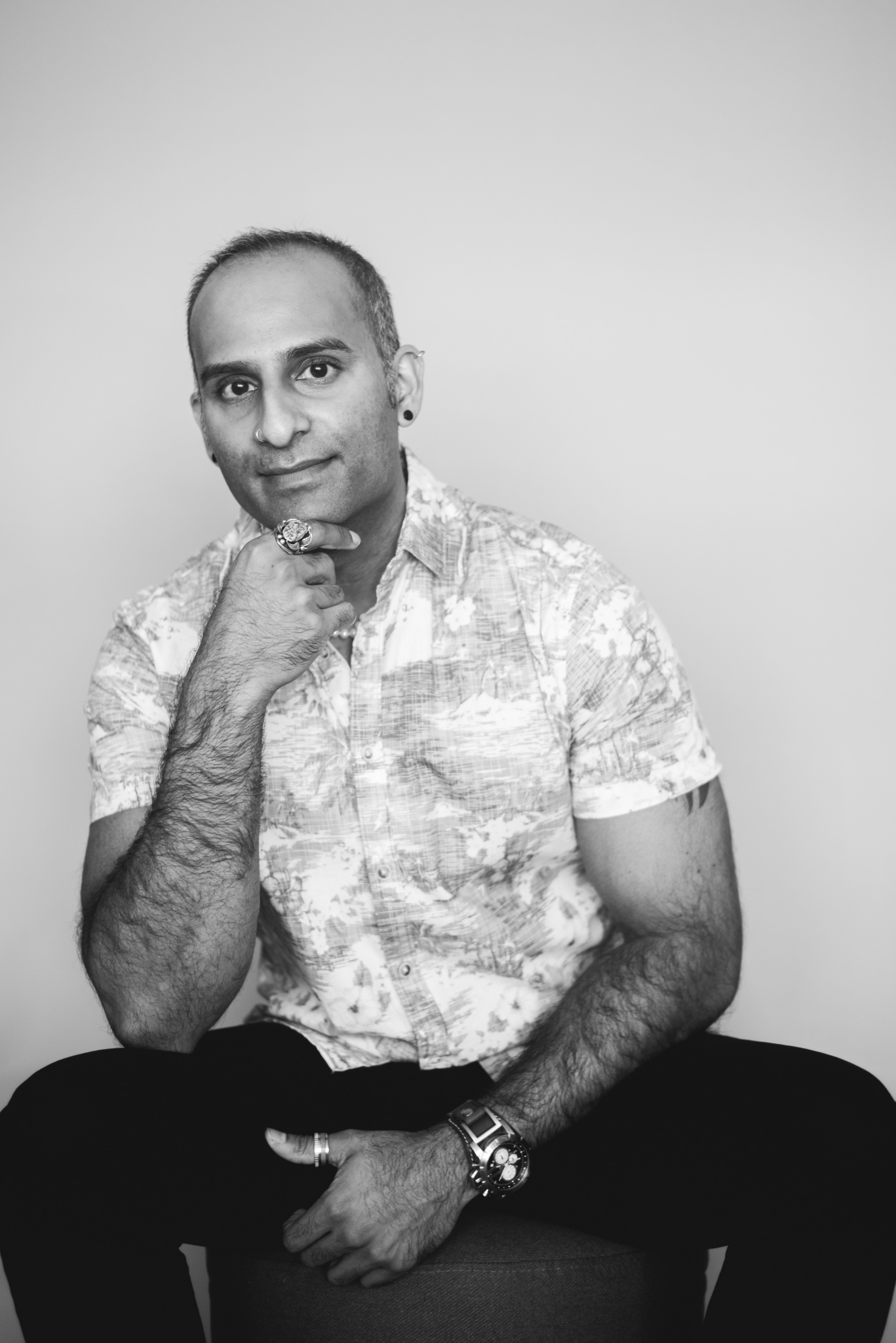
Jordache A. Ellapen is an associate professor of Black Studies at the University of Rochester. A native from South Africa, Ellapen is an anti-disciplinary Black Studies scholar with expertise in the visual and performance art cultures of Africa and the African Diaspora. Ellapen is the author of Indenture Aesthetics: Afro-Indian Femininities and the Queer Limits of South African Blackness (Duke University Press, 2025). Indenture Aesthetics is the first academic monograph to examine South African Blackness and Afro-Indian intimacies through a queer studies framework. Prioritizing a radical African queer imaginary, the book re-activates Bantu Stephen Biko’s notion of Black Consciousness, as theory and method, to grapple with the entangled pasts, presents, and futures of South African Black and Afro-Indian communities. Ellapen is currently working on a book tentatively titled Black Pleasure Politics, which seeks to understand the aesthetic and political dimensions of pleasure. The project seeks to examine the significance pleasure holds for expanded understanding of Black freedom and politics. In 2022, Ellapen was the recipient of the Feminist Studies Journal Claire G. Moses Award for Most Theoretically Innovative article published in 2021 for “Siyakaka Feminism: African Anality and the Politics of Deviance in FAKA’s Art Praxis.” In 2022 he was also the recipient of the Queer African Studies Association Award for best published essay by a junior scholar for “Performing Blackness as Transgressive Erotics: African Futurities and Black Queer Sex in South African Live Art.”
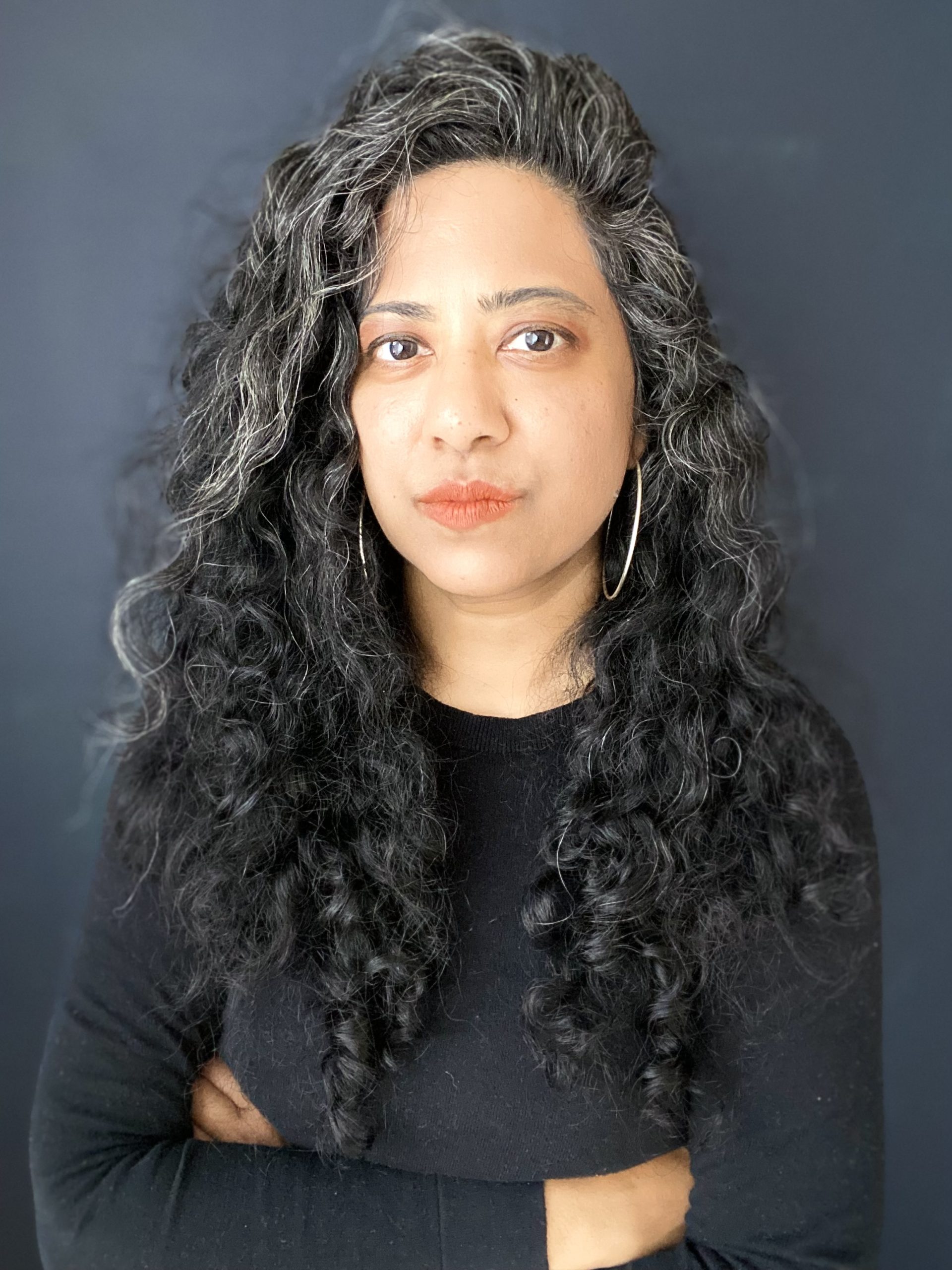
Suzanne C. Persard is Assistant Professor in the Department of Critical Race, Gender and Culture Studies at American University. As an interdisciplinary scholar, writer and curator, her research, teaching and curatorial practice center histories of gender and sexuality within archives of the indentured Indian diaspora; queer and feminist visual cultures; and theories of decoloniality. She was profiled by the Smithsonian Asian Pacific American Center for her work as an activist and founding member of Jahajee Sisters, the first non-profit organization in the U.S. committed to ending gender-based violence within Indo-Caribbean communities. In 2023, she curated Remnants of Another at Twelve Gates in Philadelphia, convening Indo-Caribbean visual artists from Guyana, Trinidad and Suriname. She has served as an acquisitions advisor to the University of Pennsylvania Indo-Caribbean Collection. Her research appears in the following publications: Feminist Review; Journal of West Indian Literature; Middle Atlantic Review of Latin American Studies; and Journal of Indian Indentureship and Its Legacies. Anthologized chapters are published in or forthcoming from Routledge (Routledge Companion to Gender and Feminist Studies in the Caribbean); Oxford University Press (Oxford Handbook of Dance Praxis); and Presses Universitaires Indianocéaniques.
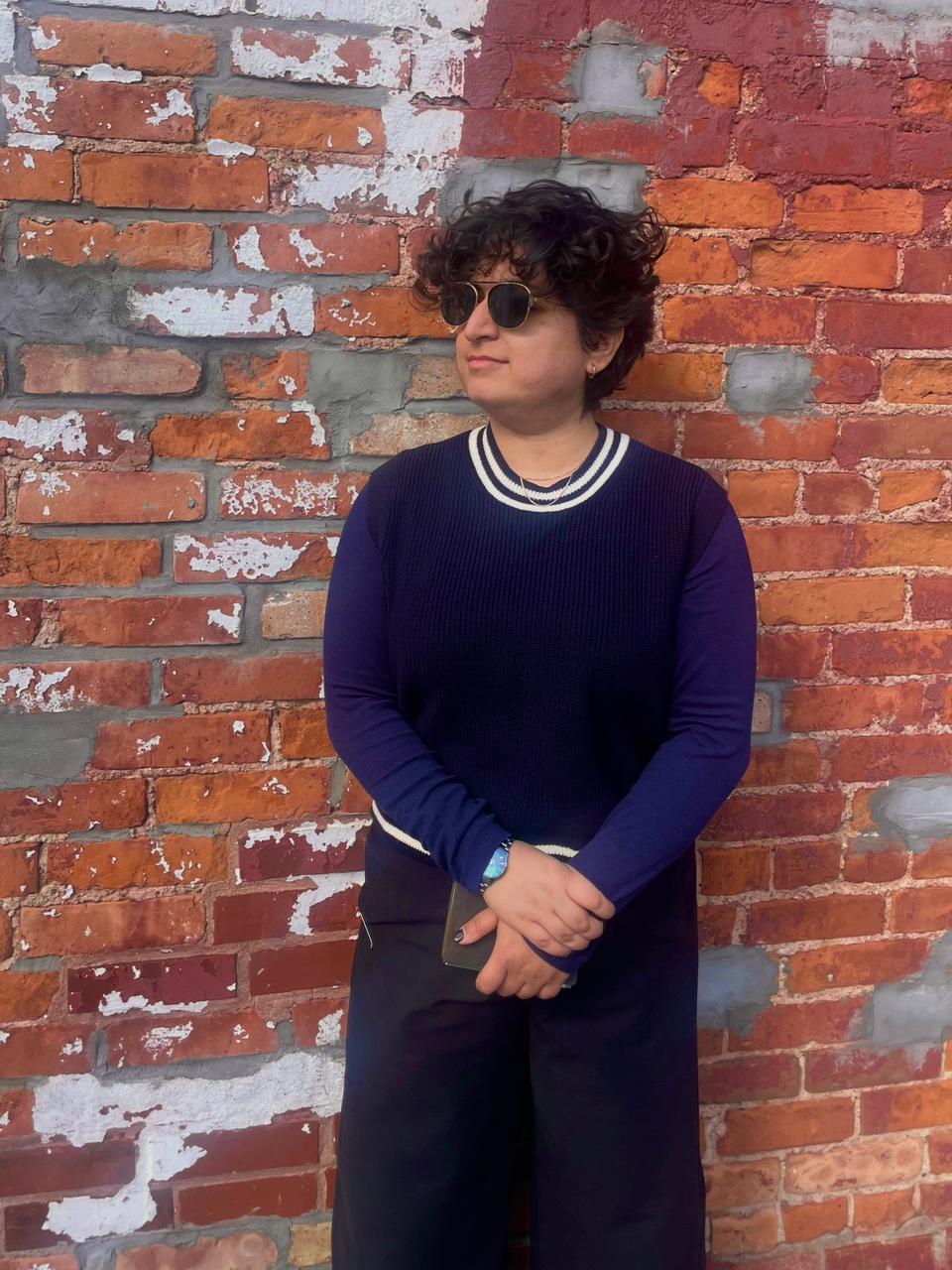
Mehak Faisal Khan is an Assistant Professor of Global Anglophone Literature in the English Department and in Gender Studies at the University of Notre Dame, where she is also a fellow at the Liu Institute for Asia and Asian Studies, and on the board of the Literatures of Annihilation, Exile, and Resistance series. She received her PhD in English and Critical Theory from UC Berkeley. Her current book project, Ajeeb Aesthetics, develops a theory of the strange, wondrous, queer, and uncanny, rooted in the aesthetic and affective categories of contemporary Pakistani culture, as a site from which to rethink global aesthetics. She has been a Co-Chief Editor at Qui Parle, and is a founding editor of Tasavvur, the first pan-South Asian speculative fiction magazine.
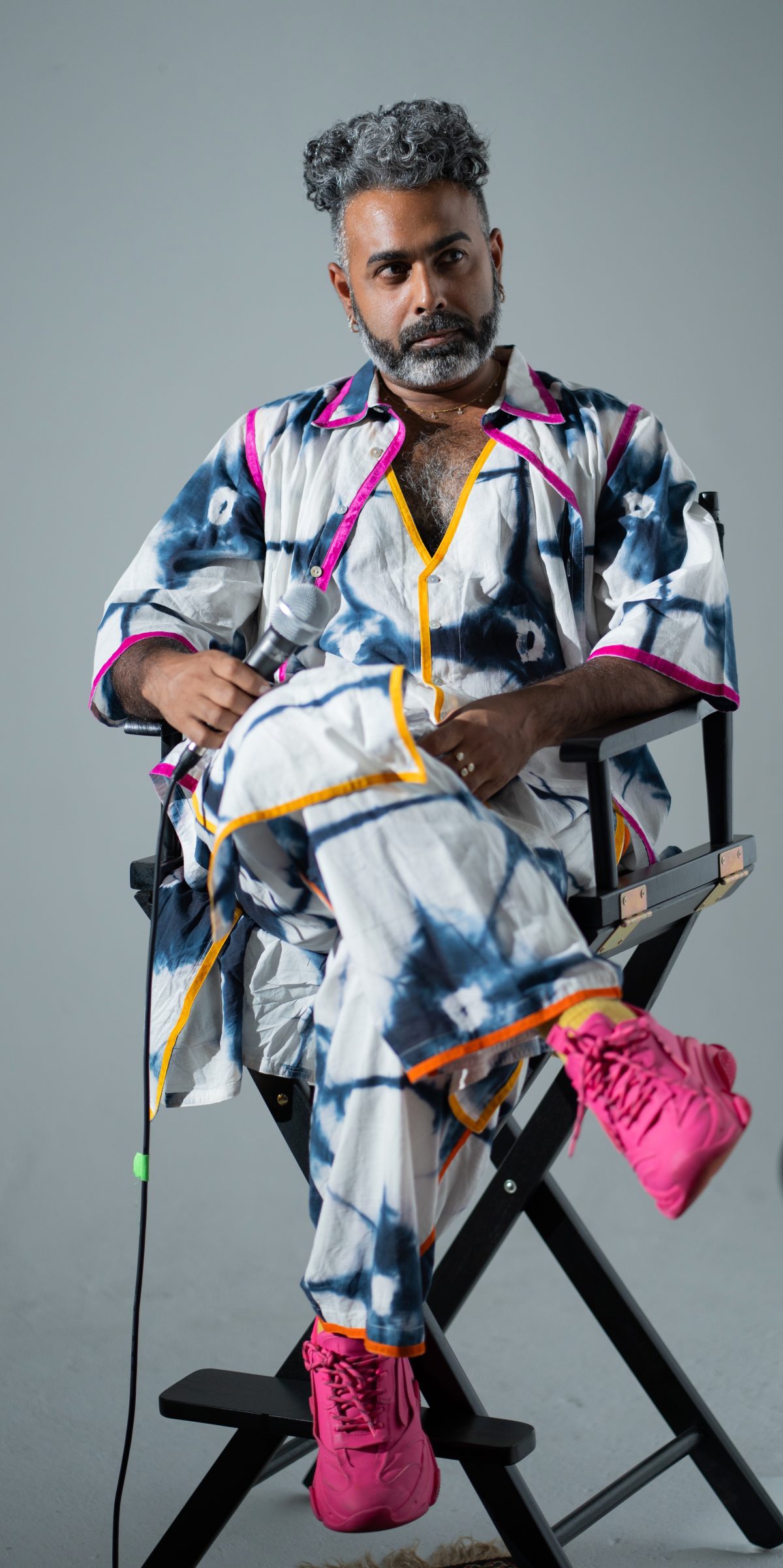
Kareem Khubchandani is the author of the award-winning books Decolonize Drag and Ishtyle: Accenting Gay Indian Nightlife. He is also co-editor of the Lambda Literary-nominated Queer Nightlife, guest editor of Text and Performance Quarterly’s “Critical Aunty Studies,” and associate editor for GLQ: A Journal of Lesbian and Gay Studies. Kareem is Associate Professor of theater, dance, and performance studies at Tufts University. His next book, Lessons in Drag: A Queer Manual for Academics, Artists, and Aunties is forthcoming in November 2025.
Artist Roundtable: The Aesthetic Practices of Queer Diaspora
Across a twenty-five year practice, Chitra Ganesh has developed an expansive body of work rooted in drawing and painting, which has evolved to encompass animation, wall drawings, prints, collage, video, and sculpture. Ganesh’s oeuvre is informed by her studies in literature and semiotic theory, alongside rich histories of public and graphic art. In detailed works, Ganesh combines a vast array of influences including South Asian iconography, science fiction and queer theory, drawing upon visual tropes of vintage comics, anime, and film posters. In nonlinear narratives and richly layered worlds, Ganesh subverts traditional storytelling to open up speculative narratives where queer and femme protagonists actively shape their futures.
She has exhibited widely across the U.S., Europe, and South Asia and her work is held in prominent public collections such as the Smithsonian American Art Museum, Kiran Nadar Museum of Art, the Guggenheim Museum, the Whitney Museum, and the Museum of Modern Art. She is the recipient of numerous awards, including from the Ford Foundation, Anonymous Was a Woman Award, John Simon Guggenheim Memorial Foundation Fellowship in the Creative Arts; the Joan Mitchell Award, the Hodder Fellowship at Princeton University, Pollock Krasner Foundation, and many others. She holds a BA in Art-Semiotics and Comparative Literature from Brown University, and an MFA from Columbia University. Her major public art installation, Regeneration is currently on view at Penn Station in New York City. She lives and works in Brooklyn.
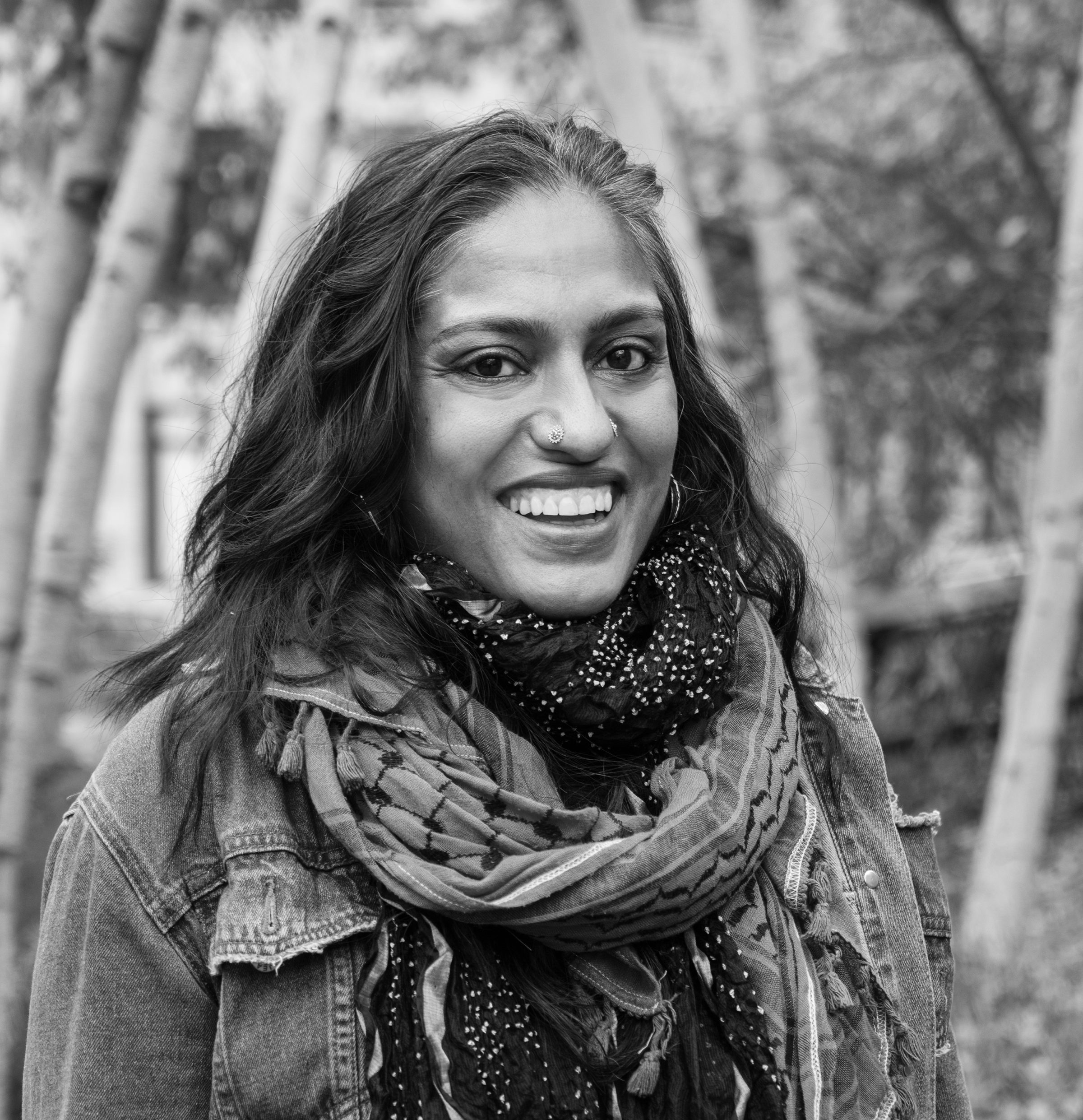
Shahzia Sikander is widely celebrated for subverting Central and South-Asian miniature painting traditions into dialogue with contemporary international art practices and launching the form known today as neo-miniature. Engaging ideas of language, trade, empire, and migration through feminist perspectives, Sikander’s paintings, video animations, mosaics and sculpture explore gender, sexuality, racial narratives, and colonial histories. Sikander is a recipient of the MacArthur Genius award and The Pollock-Krasner Foundation's Pollock Prize for Creativity, among others. A survey exhibition,
Shahzia Sikander: Collective Behaviour presented by the Cleveland Museum of Art and Cincinnati Art Museum as a Collateral Event of the 60th International Art Exhibition - La Biennale di Venezia, was on view until October 20th, 2024, before complementary iterations were then presented in parallel at both Ohio institutions until June—and will also travel to the Cantor Arts Center at Stanford University, opening on September 27, 2025.
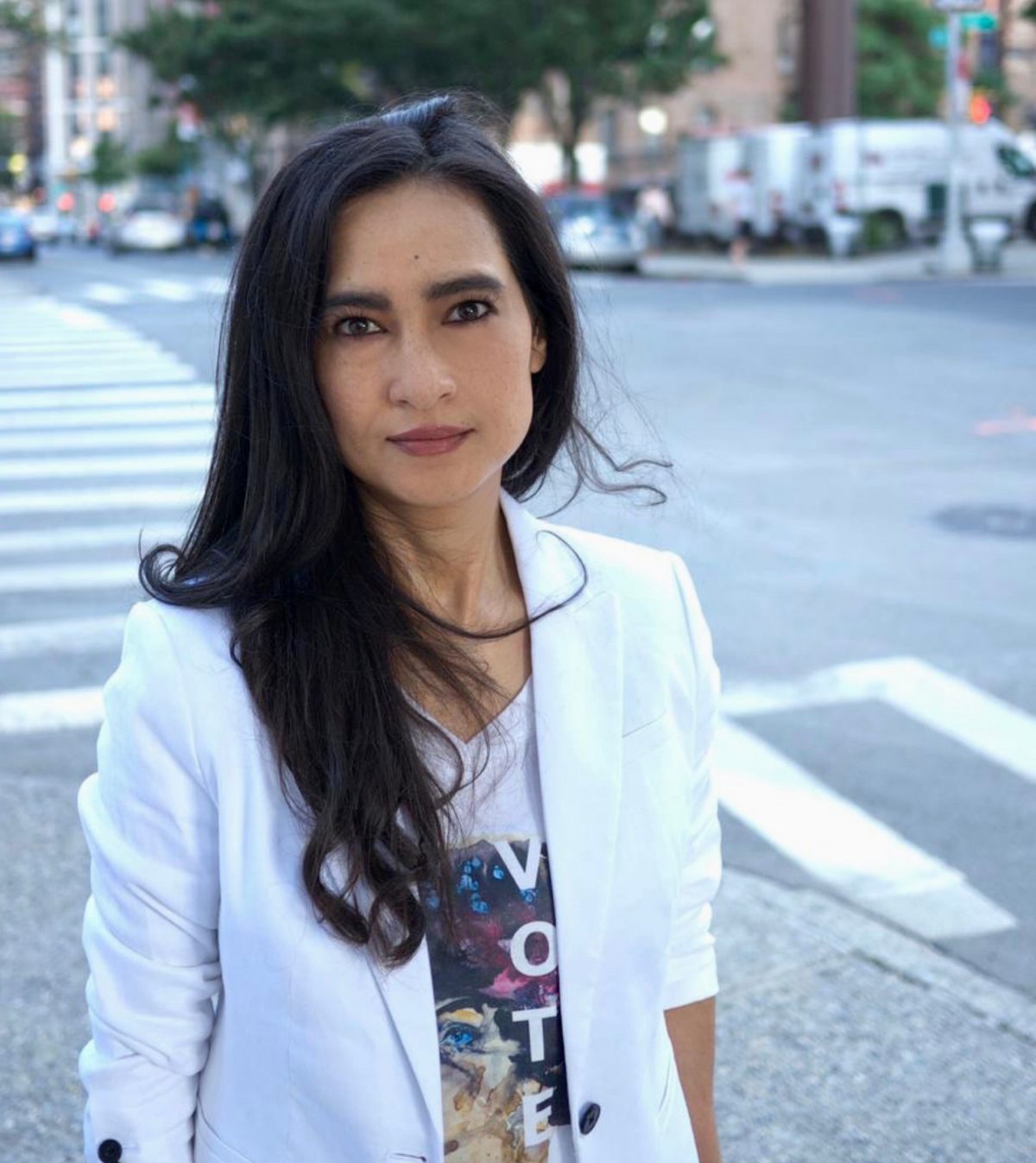
Felipe Baeza (b. 1987, Mexico) received a BFA from The Cooper Union for the Advancement of Science and Art (2009) and an MFA from Yale University (2018). He has presented solo exhibitions in Los Angeles, London, Mexico City, and New York. His work was included in The Milk of Dreams, the 59th International Art Exhibition of La Biennale di Venezia, Venice, Italy (2022); Prospect.5: Yesterday We Said Tomorrow, New Orleans, LA (2021); and Desert X, Palm Springs, CA (2021), among other group exhibitions across Europe, South America, and Asia. Baeza has received awards, commissions, and residencies from Anderson Ranch Arts Center, Getty Research Institute, Joan Mitchell Foundation, Pollock-Krasner Foundation, Public Art Fund, NXTHVN, Vilcek Foundation, and the US Latinx Art Forum, among others. His work is held in the public collections of the Los Angeles County Museum of Art, Los Angeles, CA; Moderna Museet, Stockholm, Sweden; and the Whitney Museum of American Art, New York, NY, among others. He lives and works in Brooklyn, New York.
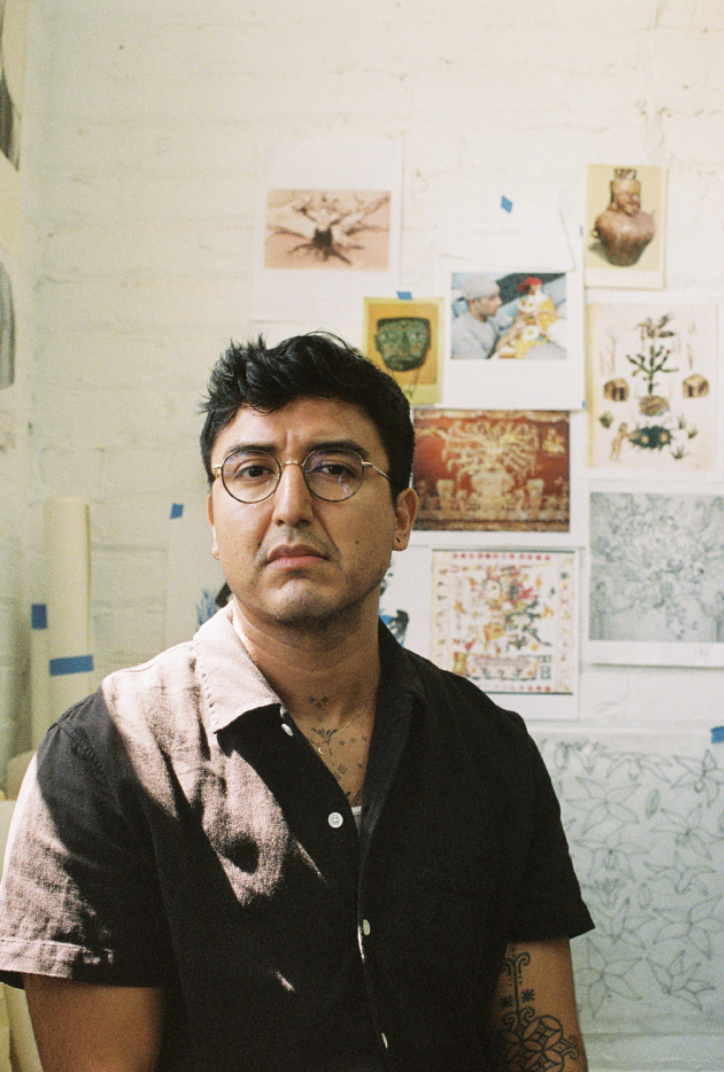
Al-An deSouza is an artist working across photo-media, installation, text, and performance. Their artworks have been shown extensively in the US and internationally, including at Tate Britain, London; the Phillips Collection, Washington, DC; Pompidou Centre, Paris, and the National Museum of Modern and Contemporary Art, Seoul. deSouza’s two recent books: How Art Can Be Thought (Duke University Press, 2018), examines art pedagogy and critique, and how some of the most common terms used to discuss art may be adapted to new artistic and social challenges; Ark of Martyrs (Sming Sming Books, 2020), is a polyphonic, dysphoric replacement of Joseph Conrad’s infamous Heart of Darkness. deSouza is Professor of Photography in the department of Art Practice at University of California, Berkeley, and is represented by Talwar Gallery, New York and New Delhi.
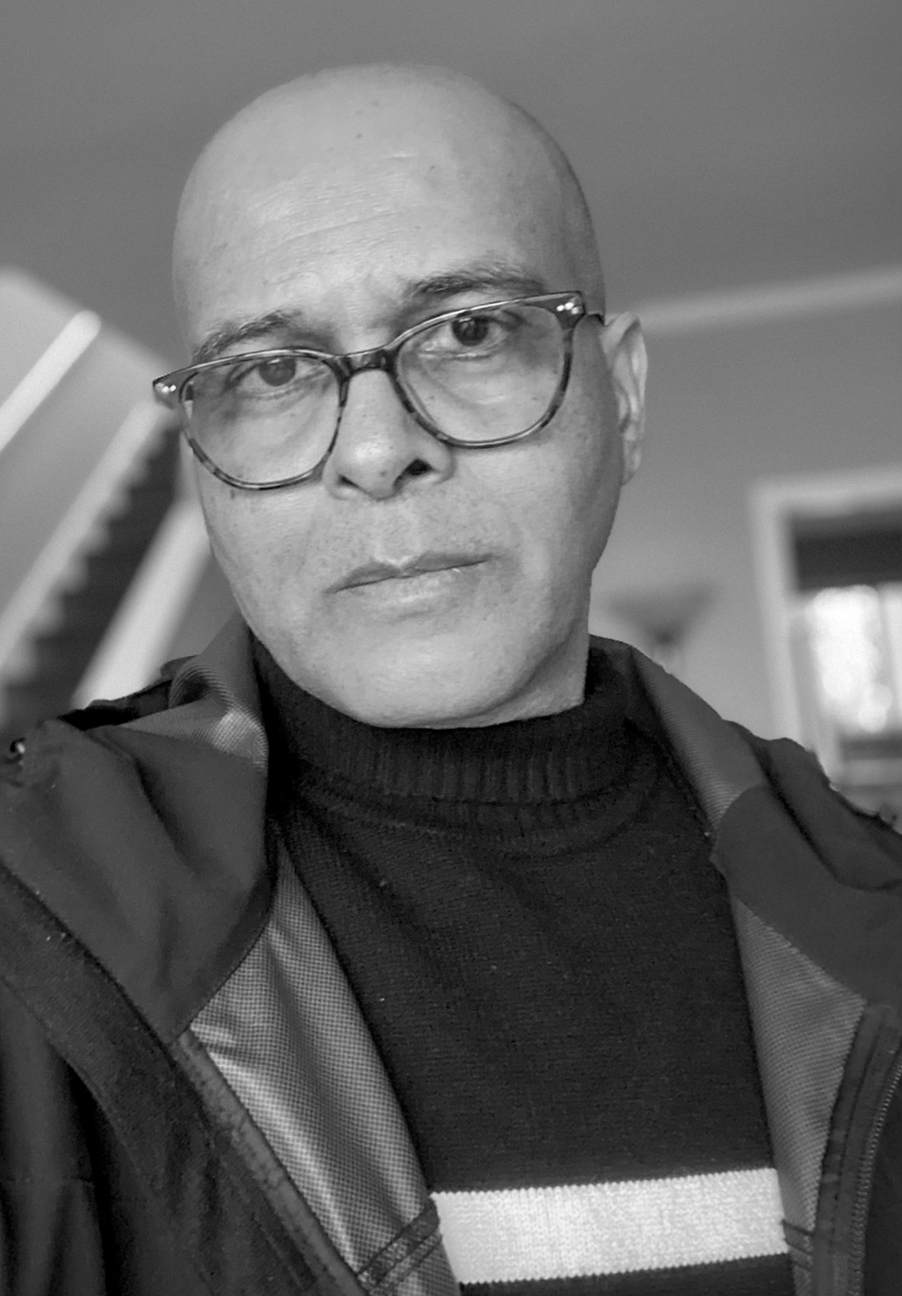
DJ Set
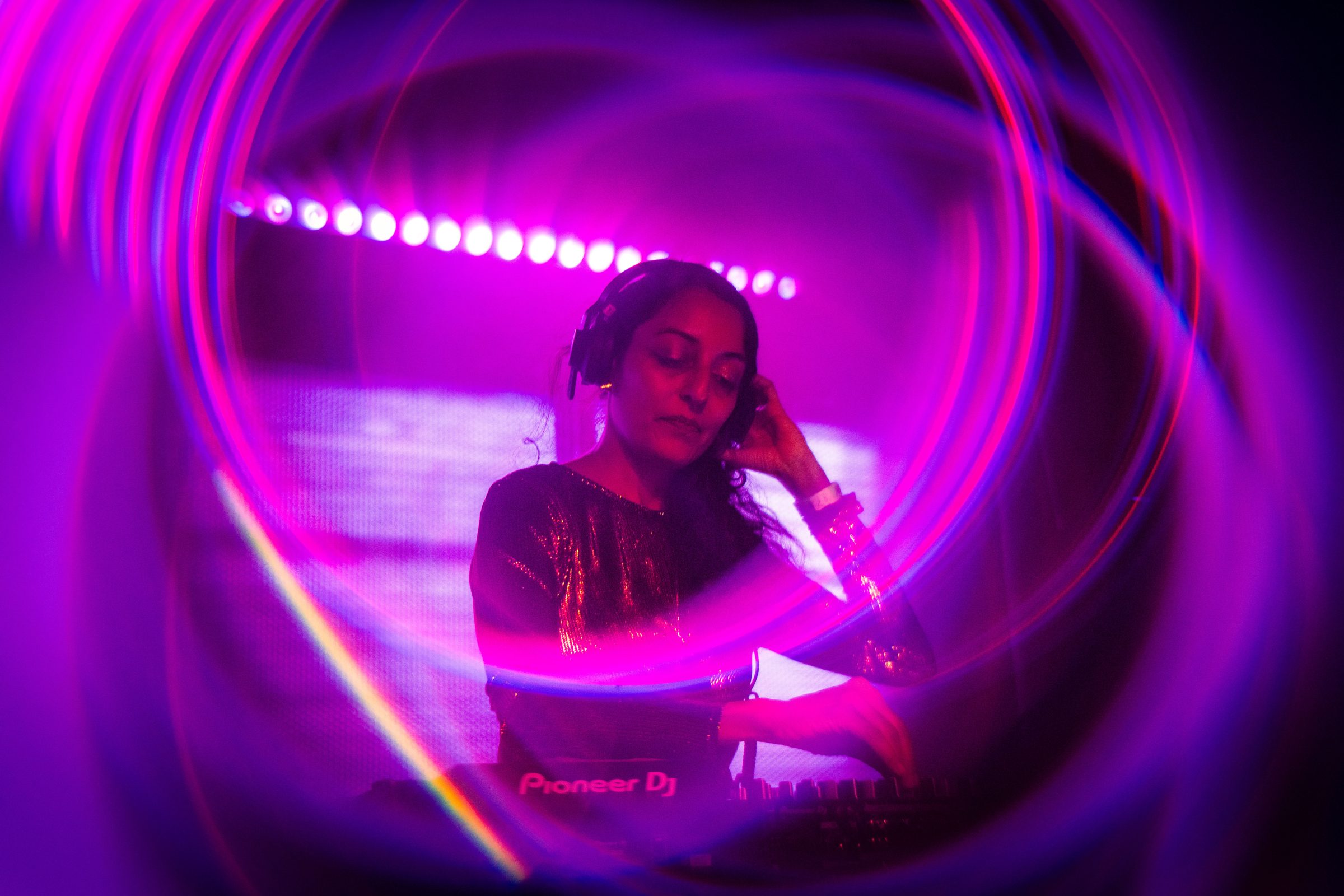
Arshia Fatima Haq (born in Hyderabad, India) is a Los Angeles-based artist who works across film, visual art, performance, and sound. She works through counter-archives and speculative narratives, and is currently exploring themes of indigenous and localized knowledge within the context of Sufism.
Her projects have been presented nationally and internationally at museums, galleries, nightclubs, and in the streets, and have been featured at the Broad Museum; LACE (Los Angeles Contemporary Exhibitions); the Hammer Museum; Museum of Modern Art, New York; Museum of Contemporary Art, Tucson; Station Museum of Contemporary Art, Houston; Onassis Stegi, Athens; Centre Georges Pompidou, Paris; Pacific Film Archive, Berkeley; Toronto International Film Festival; and NPR; among others. Haq is the founder of Discostan, a collaborative club-based project, radio show and record label drawing from the cultural production of South and West Asia and North Africa and their diasporas. She has produced radio programming for Dublab and KCRW and currently co-hosts and produces a monthly radio show on NTS. Haq received an MFA in Film and Video from California Institute of the Arts.
Upcoming Events
IF/Q Studies Collective
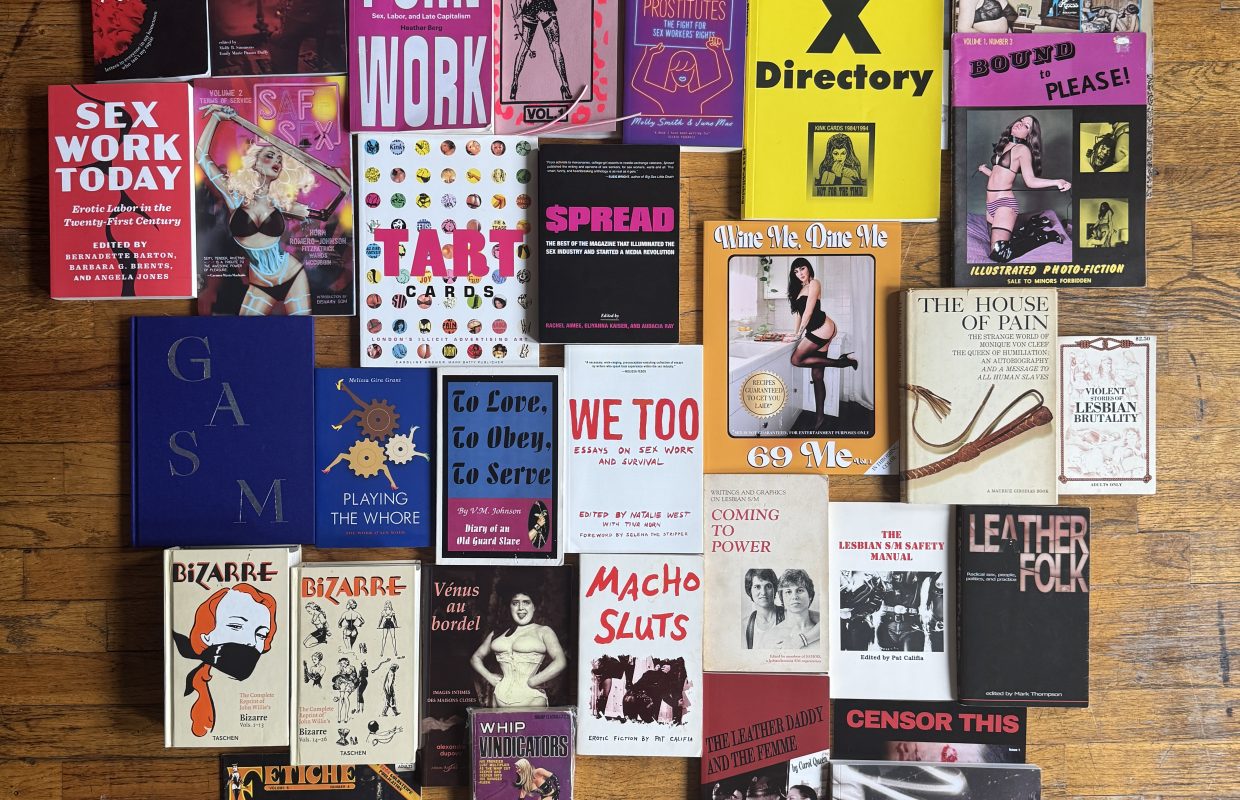
The Sex Worker Archive: A Workshop on Cultural Preservation
CSGS
These Poems Went Down Fighting: On Art, Labor, and Infrastructure

IF/Q Studies Collective
Cut, Copy, Queer: a zine-making workshop
